
Fitness Center Construction in San Antonio, TX: What Owners Need to Know
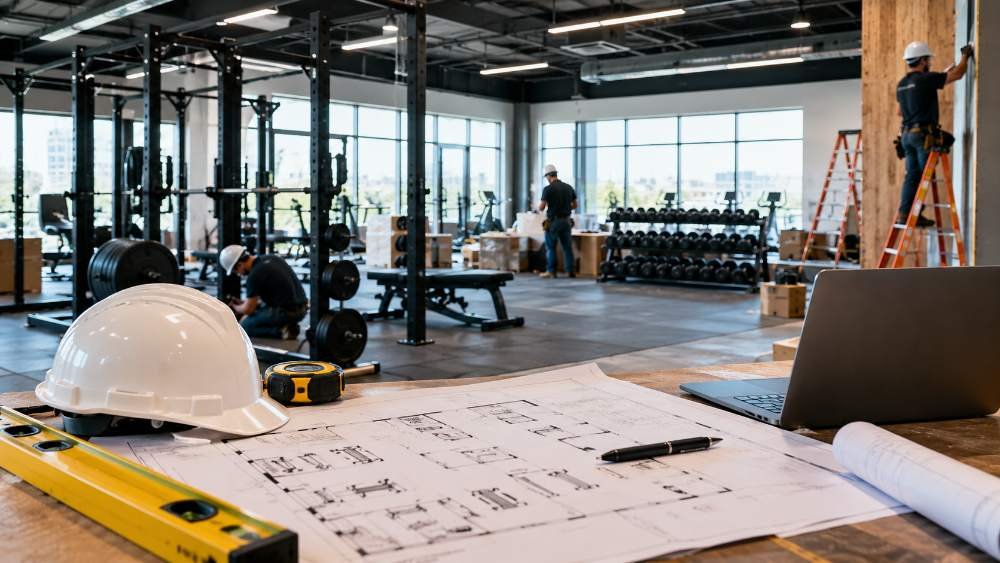
San Antonio’s fitness industry has grown significantly, with national franchise gyms, boutique studios, and independent training facilities opening across the city to meet demand. But fitness center construction comes with its own set of technical requirements — from reinforced flooring and specialized ventilation to locker room plumbing and equipment power needs — that differ significantly from a typical retail or office buildout.
This guide covers what makes fitness center construction unique, what to expect during the process, and how to choose a contractor equipped to handle it correctly.
What Makes Fitness Center Construction Different?
Fitness facilities have structural and mechanical demands that go well beyond standard commercial construction, including:
- Reinforced and specialized flooring — free weight and functional training areas often require reinforced subflooring and impact-resistant surfaces to handle dropped weights and high-intensity movement
- Enhanced HVAC and ventilation — high-occupancy workout spaces generate significant heat and humidity, requiring HVAC systems sized well beyond a typical office or retail space
- Locker room and shower plumbing — multiple showers, sinks, and restroom fixtures require substantial plumbing infrastructure not typically needed in other commercial spaces
- Sound considerations — group fitness studios and areas with music or high-impact training benefit from acoustic planning to manage sound both within the space and for neighboring tenants
- Electrical capacity for equipment — cardio equipment, especially in larger facilities, requires significant dedicated electrical capacity that must be planned early
- Open sightlines and layout flow — member safety and staff supervision often benefit from open floor plans and clear sightlines across different training zones
Common Types of Fitness Construction Projects
- Full-service gyms — cardio and weight rooms, group fitness studios, locker rooms, and often pools or basketball courts for larger facilities
- Boutique fitness studios — specialized spaces for cycling, yoga, Pilates, or dance-based fitness formats
- Functional and strength training facilities — open-floor bootcamp-style spaces designed for high-intensity, equipment-based training
- CrossFit-style boxes — durable flooring and open layouts designed around functional fitness equipment
- Recovery and wellness studios — spaces incorporating saunas, cold plunge, or other recovery-focused amenities with specific plumbing and electrical needs
The Fitness Center Construction Process, Step by Step
- Space planning — designing a layout that supports equipment placement, member flow, and staff sightlines based on the specific fitness format.
- Equipment and vendor coordination — working with equipment suppliers early, since equipment dimensions, power needs, and flooring requirements directly shape construction plans.
- Permitting — submitting plans for building, electrical, plumbing, and mechanical permits, with occupancy classification considerations specific to high-occupancy fitness spaces.
- Construction — coordinating reinforced flooring, HVAC upgrades, and locker room plumbing alongside general buildout work.
- Inspections — standard building inspections apply, with particular attention to occupancy load and life safety requirements given higher member capacity.
- Final walkthrough and opening — a final walkthrough confirms the space is ready, typically culminating in a certificate of occupancy before members can be welcomed in.
Common Challenges in Fitness Center Construction
Underestimating HVAC Requirements
High-intensity workout spaces generate far more heat and humidity than standard commercial spaces, and undersized HVAC systems are a common and costly mistake if not properly planned from the start.
Late Equipment Decisions
Similar to restaurant construction, equipment specifications directly affect flooring, electrical, and sometimes structural planning. Finalizing equipment selection late often leads to costly rework.
Flooring Selection Mismatched to Use
Different training zones require different flooring solutions — a cardio area, free weight zone, and group fitness studio each have different structural and surface needs that should be planned individually rather than applying one flooring solution throughout.
Occupancy and Life Safety Classification
High-occupancy fitness spaces can trigger specific life safety code requirements related to exits, occupancy load, and emergency egress that differ from lower-occupancy commercial spaces.
Budgeting for Fitness Center Construction in San Antonio
Costs vary significantly based on the type of facility, ranging from a lighter boutique studio buildout to a full-service gym requiring extensive locker rooms, HVAC upgrades, and reinforced flooring throughout. Franchise fitness concepts often have specific build-out standards that must be followed, which can also affect overall project cost. A detailed quote requires reviewing your specific concept, square footage, and equipment plan.
How to Choose a Fitness Center Construction Contractor in San Antonio
- Look for direct fitness construction experience — ask specifically about past gym or studio projects, since HVAC, flooring, and electrical needs differ significantly from standard commercial buildouts.
- Confirm experience with franchise build standards — if you’re building a franchise location, ask about experience following brand-specific construction requirements.
- Ask about their approach to HVAC sizing — a knowledgeable contractor will size systems appropriately for high-occupancy, high-intensity use rather than standard commercial calculations.
- Review their subcontractor network for plumbing and electrical — locker rooms and equipment power needs require experienced trades familiar with fitness-specific demands.
- Ask about realistic timelines — a contractor experienced with fitness construction should provide a detailed, realistic timeline accounting for equipment lead times and specialized system installation.
Why San Antonio Fitness Brands Choose Sarfani Construction
At Sarfani Construction, we bring direct fitness construction experience to every project, with completed builds for national brands like EOS Fitness and Burn Boot Camp. We understand the specialized flooring, HVAC, and electrical requirements fitness facilities demand, and coordinate closely with equipment vendors to keep your project on schedule and ready to open on time.
Ready to build your fitness facility? Schedule a free consultation with Sarfani Construction today.
Frequently Asked Questions
How long does fitness center construction take in San Antonio?
Timelines vary based on scope, but most fitness facility buildouts take anywhere from 3 to 7 months from permitting through opening, depending on the size of the space and complexity of HVAC, flooring, and equipment installation involved.
Why does HVAC matter so much for fitness centers?
High-intensity workout spaces generate significantly more heat and humidity than standard commercial spaces, and properly sized HVAC systems are essential for member comfort, equipment longevity, and overall facility function.
What kind of flooring is used in gyms and fitness studios?
This varies by zone — rubber flooring is common in free weight and functional training areas for impact resistance, while cardio zones and studios may use different surfaces suited to their specific equipment and activity type.
Do franchise fitness locations have specific construction requirements?
Yes, many fitness franchises have detailed brand standards covering layout, finishes, and equipment placement that a contractor must follow closely, making franchise-specific construction experience valuable when selecting a builder.
How much does it cost to build a gym in San Antonio?
Costs vary widely based on facility type and size, with boutique studios typically costing less than full-service gyms requiring extensive locker rooms, HVAC upgrades, and reinforced flooring throughout. A detailed estimate requires reviewing your specific concept and space.
Does Sarfani Construction have experience with both franchise and independent fitness concepts?
Yes, Sarfani Construction has experience with national fitness franchise construction as well as independent, locally-owned fitness and wellness concepts across San Antonio.
