
Tenant Improvement Construction in San Antonio, TX: A Complete Guide
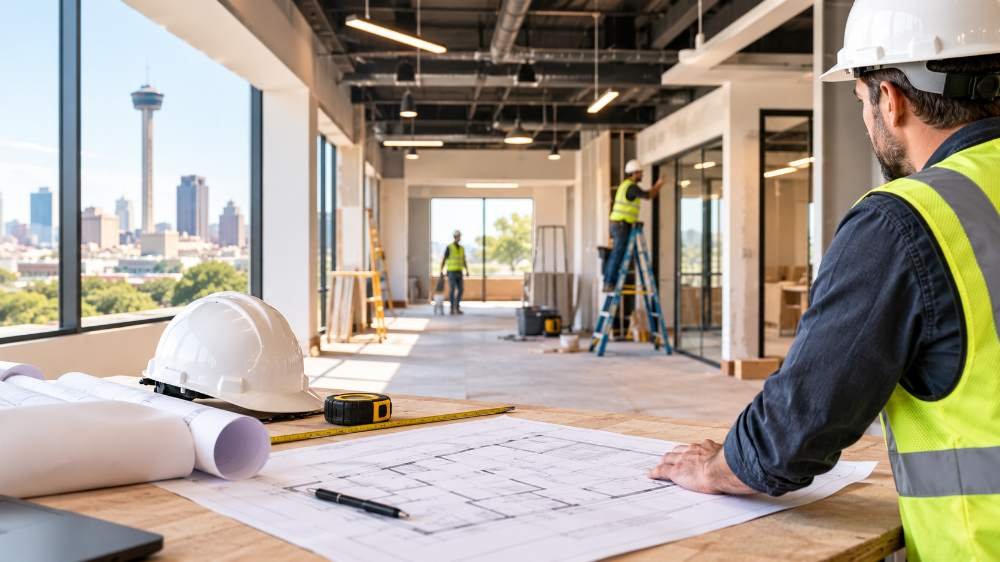
Signing a commercial lease is only the first step — turning an empty shell or outdated space into a functional business often requires significant construction work before you can open your doors. In San Antonio’s growing commercial market, understanding how tenant improvement (TI) construction works can save business owners real time, money, and frustration during buildout.
This guide breaks down what tenant improvements actually involve, how they’re typically funded, and what to expect from the process in San Antonio.
What Is Tenant Improvement Construction?
Tenant improvement construction refers to the customized buildout of a leased commercial space to fit a specific business’s needs — everything from a full interior renovation to targeted upgrades like new flooring, walls, electrical, or HVAC work. Unlike ground-up construction, which starts from an empty lot, tenant improvements work within an existing building’s shell to create a functional, code-compliant space for a specific tenant.
Common Types of Tenant Improvement Projects
- Office buildouts — reconfiguring layouts, adding conference rooms, break areas, and modern finishes
- Retail buildouts — storefront design, fitting rooms, checkout areas, and brand-specific finishes
- Restaurant buildouts — commercial kitchens, dining areas, and code-compliant ventilation and plumbing
- Medical and healthcare buildouts — exam rooms, specialized electrical and plumbing, and compliance with healthcare-specific building codes
- Fitness and wellness spaces — open floor plans, specialized flooring, locker rooms, and equipment considerations
- Coworking and flex space buildouts — private offices, shared amenities, and flexible layouts
Who Pays for Tenant Improvements?
Funding for tenant improvements varies by lease agreement and typically falls into a few common structures:
- Tenant Improvement Allowance (TIA) — the landlord provides a set dollar amount, often calculated per square foot, toward the buildout, with the tenant responsible for costs beyond that allowance.
- Landlord-built, tenant-reimbursed — the landlord manages construction, and the tenant reimburses costs, sometimes amortized into the lease payments over time.
- Tenant-funded buildout — the tenant fully funds and manages their own construction, often in exchange for more control over design and contractor selection, sometimes with reduced rent as an incentive.
Understanding your specific lease structure before construction begins is essential, since it directly affects your budget, contractor selection rights, and overall project timeline.
The Tenant Improvement Process, Step by Step
- Space planning and design — working with an architect or designer to create a layout that fits your business needs and complies with building codes.
- Budgeting and contractor selection — obtaining detailed bids from contractors and finalizing a realistic budget based on the scope of work.
- Permitting — submitting plans to the City of San Antonio or Bexar County for building, electrical, plumbing, and mechanical permits as required.
- Construction — the contractor coordinates subcontractors and manages daily progress, from demolition through final finishes.
- Inspections — required inspections occur at various stages to confirm code compliance before work can proceed or be finalized.
- Final walkthrough and handover — a final inspection and walkthrough confirm the space is ready for occupancy, often requiring a certificate of occupancy before opening.
How Long Does Tenant Improvement Construction Take?
Timelines vary significantly based on scope. A simple cosmetic refresh might take just a few weeks, while a complex restaurant or medical buildout involving significant electrical, plumbing, and mechanical work can take 3 to 6 months or more. Permitting timelines with the City of San Antonio also factor heavily into the overall schedule, making early planning essential to avoid costly delays once your lease term begins.
Common Challenges in Tenant Improvement Projects
Unexpected Building Conditions
Older commercial buildings sometimes reveal outdated electrical, plumbing, or structural issues once construction begins, which can affect both timeline and budget if not accounted for during initial planning.
Permitting Delays
Permitting timelines can vary based on project complexity and current municipal workload. An experienced local contractor who understands San Antonio’s permitting process can help anticipate and minimize delays.
Lease Coordination
Construction timelines need to align with lease commencement dates and any tenant improvement allowance deadlines specified in the lease, making early coordination between tenant, landlord, and contractor essential.
Industry-Specific Code Requirements
Restaurants, medical offices, and other specialized spaces face additional code requirements beyond standard commercial construction, requiring a contractor experienced in your specific industry.
How to Choose the Right Tenant Improvement Contractor
- Look for direct experience with your industry — a contractor who has built out restaurants, medical offices, or retail spaces similar to yours will anticipate industry-specific requirements far better than a generalist.
- Confirm familiarity with San Antonio permitting — local experience with the City of San Antonio and Bexar County’s permitting process helps avoid unnecessary delays.
- Ask about their subcontractor relationships — established relationships with reliable local electricians, plumbers, and HVAC crews directly affect project timeline and quality.
- Request a detailed, itemized bid — vague, lump-sum bids make it harder to understand exactly what’s included and where costs could change.
- Clarify communication expectations — confirm who your dedicated point of contact will be throughout the project.
Why San Antonio Businesses Choose Sarfani Construction for Tenant Improvements
At Sarfani Construction, we specialize in tenant improvement construction across San Antonio, with direct experience building out restaurants, medical facilities, retail spaces, and fitness centers for brands like Dunkin’ Donuts, Tim Hortons, EOS Fitness, and Burn Boot Camp, alongside numerous local business clients. We manage the full process — space planning coordination, permitting, and hands-on project management — so your space is ready to open on schedule.
Ready to start your tenant improvement project? Schedule a free consultation with Sarfani Construction today.
Frequently Asked Questions
What’s the difference between a tenant improvement allowance and a full buildout?
A tenant improvement allowance is a specific dollar amount a landlord contributes toward construction costs, while a full buildout refers to the entire scope of construction work needed to make a space functional, which may cost more than the allowance provided.
How much does a tenant improvement project cost in San Antonio?
Costs vary widely based on scope, ranging from a light cosmetic refresh at a lower cost per square foot to a full restaurant or medical buildout requiring significant electrical, plumbing, and mechanical work at a much higher cost per square foot. A detailed quote requires reviewing your specific space and plans.
Who is responsible for permitting in a tenant improvement project?
This is typically outlined in the lease agreement, but in most cases, the contractor manages the permitting process on behalf of the tenant, submitting plans to the City of San Antonio or Bexar County as required for the scope of work.
Can I choose my own contractor, or does the landlord decide?
This depends on your lease terms. Some leases require landlord approval of contractors or restrict tenants to landlord-approved lists, while others give tenants full control over contractor selection. Review your lease carefully or consult your broker before beginning the bidding process.
What happens if unexpected issues are found during construction?
An experienced contractor will communicate any unexpected conditions, such as outdated electrical or structural issues, as soon as they’re discovered, along with options and cost implications, so decisions can be made quickly to avoid significant delays.
Does Sarfani Construction handle both design and construction for tenant improvements?
Yes, Sarfani Construction offers design and planning services alongside construction, helping coordinate the full process from initial space planning through final handover.
